Last updated on June 5, 2026
Backgammon is full of strategic choices, but few are as important as deciding whether to hit an opponent’s blot or secure a key point. In the early stages of the game, moves that either hit or lock down critical points can shape the outcome. They’re often the go-to strategies, but what happens when you have to choose between them? In this Deluxe Backgammon post, we break down this classic dilemma and explore some simple rules to help you make the best decision.
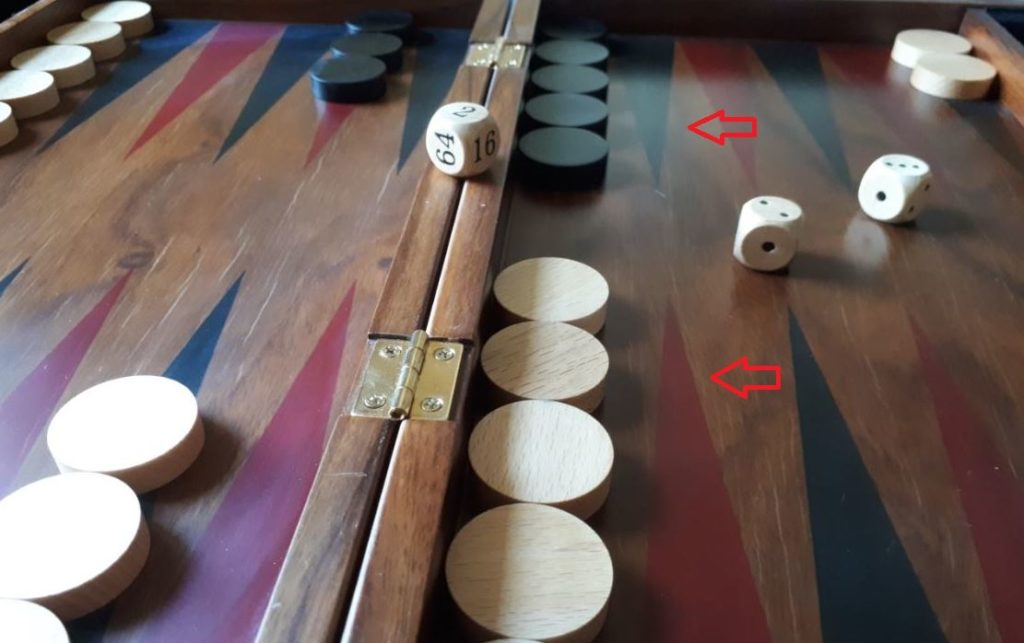
Why do hitting and securing points matter?
During the opening stages of a backgammon game, the focus is on gaining an advantage over your opponent, but at the same time, setting yourself up for flexible future moves. Gaining that advantage either involves hitting or securing points. Hitting an opponent’s blot is an aggressive play. It temporarily takes their checker out of play, sending it to the bar where they remain until it can re-enter. As long as that checker remains on the bar, your opponent has no further options in play.
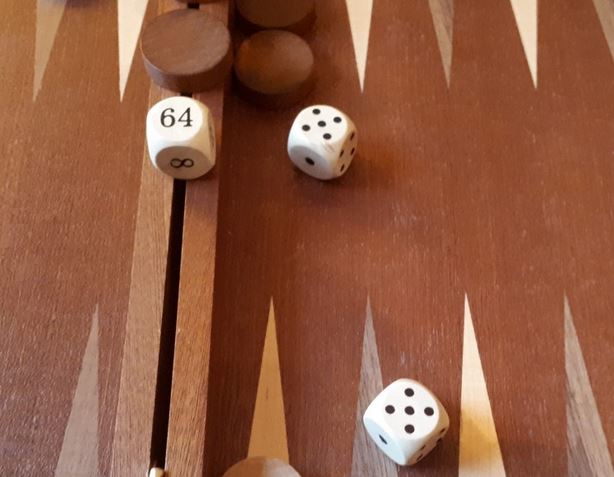
In contrast, securing a key point creates a more solid defensive base for your play. Securing points makes it harder for your opponent to advance their checkers and gives you safe spots to land as you move your own pieces forward. Both moves have their benefits, but what if you have the choice between the two plays and you can’t do both at once? That’s where the real strategy comes in.
When the choice isn’t obvious
Sometimes, the dice give you an opportunity to hit a blot and secure a key point at the same time, but more often, you’ll have to pick one. Do you go for the aggressive hit, or play it safe by securing a point? The best choice often depends on the context of the game and the match. To help make that decision, here are a few simple Deluxe Backgammon guidelines to keep in mind.
Four simple rules
First of all, take your time. Consider all four rules before deciding between hitting and securing a point.
1. Consider your home board strength
The stronger your home board, the more valuable hitting becomes. Why? Because if your opponent’s checker is sent to the bar, they’ll have to re-enter through your home board. A strong home board makes it harder for them to re-enter, potentially giving you a big advantage. On the flip side, if your inner board is weak (or non-existent early on), hitting might not have as much impact. In this case, securing a point could be the smarter choice.
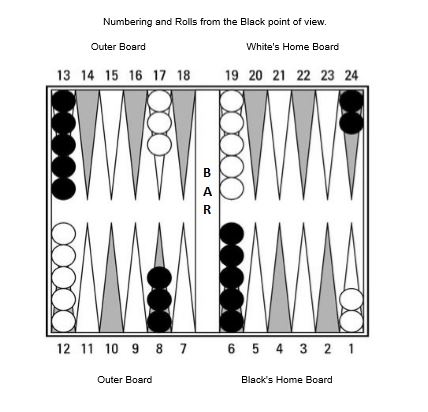
2. Evaluate the quality of the point you can secure
Not all points are created equal. If the point you can secure is strategically significant, like the 5-point in your home board, then it’s often worth prioritising. A key point adds long-term strength to your position, giving you a base to work from as the game progresses. Other key points include the bar-point, or the 20-point on the other side of the board.
3. Can you unstack your checkers?
Backgammon isn’t just about hitting and blocking. It’s also about creating flexibility. If making a point helps you unstack heavy positions on your starting points, that’s a bonus. Unstacking spreads your checkers out, increasing your options on subsequent moves. If you can secure a point while also improving your position, hitting becomes less critical.
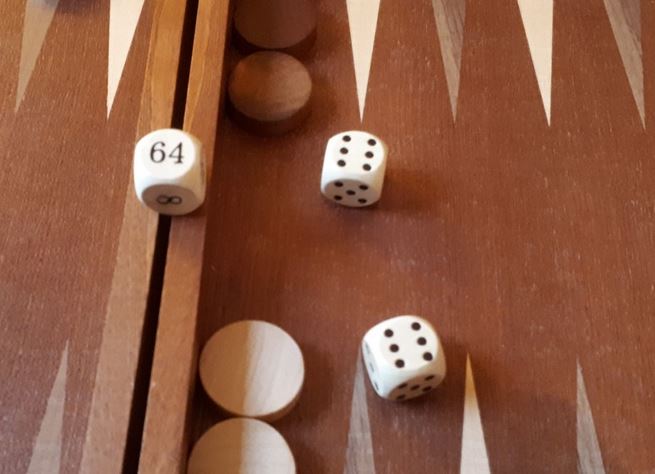
4. Avoid breaking a strong anchor
Anchors, points you hold in your opponent’s home board, are incredibly valuable, especially early on. They give you a safe landing spot and create pressure on your opponent. If hitting a blot requires you to break a strong anchor, think twice. Losing an anchor often does more harm than the hit would do good.
Finding the right balance
Ultimately, the choice between hitting and making a point isn’t just about following rules. Backgammon is a game of probabilities, and your decision should reflect your current strategy. That said, you should always be prepared to change strategy as the game develops. For example, if you’re behind, hitting could be a way to disrupt your opponent and create opportunities. Later in the game, if you’re ahead in the race, securing a point might solidify your lead and hold your opponent back.
Practice makes perfect
The best way to improve at making these decisions is by practice. That could be by simply playing more games, analysing moves and mistakes on backgammon software, or by simply watching better players. As you gain experience, you’ll start to recognise patterns and feel more confident in your choices.
When in doubt, take a moment to assess the board. Ask yourself the following questions:
How strong is my home board?
How valuable is the point I can secure?
Does this move improve my position?
Am I taking any risks by hitting or securing a point?
Take the time to think through these questions. Consider the answers together. How do the responses work with your current strategy?
Conclusion
Hitting and securing points are two of the most powerful tactics available in backgammon, especially in the opening stages. It can be tempting to focus on one over the other, which is a common mistake which beginners make. However, it is important to apply the correct tactic at any given time. To do this, keep these four simple rules in mind, and you’ll find yourself making smarter choices that give you an edge over your opponents. Backgammon is a game of strategy and creativity, so trust your instincts, learn from experience, and most of all, enjoy the game.
Related content
Hit Loose or Make a Point? at The Gammon Press.