Last updated on September 4, 2026
Backgammon is a game of strategy and tactics, with an element of luck. If you’re keen to improve, it helps to focus on four key facets that define the game. Let’s chat about them and explore how they shape each roll of the dice and every move on the board. In this Deluxe Backgammon post, we will explore these “pillars of play”. Understanding these pillars puts you on the path to mastering backgammon.

The doubling cube
In backgammon, it’s important to keep a running tally of who’s in the lead and by how much. This isn’t just about counting pips (the number of moves it’ll take to get all your checkers off). It’s also about understanding the game within the game: the doubling cube. The cube adds an extra layer of excitement, and it’s a way to raise the stakes without playing out the entire game. Imagine this: you’re behind, but not by much. Your opponent offers the cube. Do you accept and play for double the stakes, or fold and give them the win?
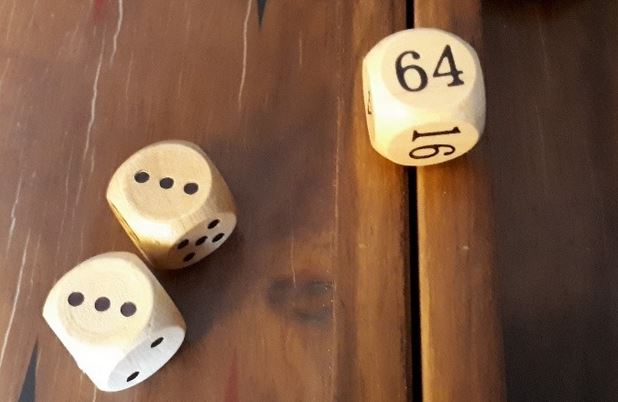
The doubling cube is also your weapon. You can use the cube to pressure your opponent. Maybe you can make them question their position? Or perhaps even scare them into surrendering a game they might have otherwise won. The more you practice with the doubling cube, the better you’ll get at knowing when to raise the stakes and when to step back.
Mindset
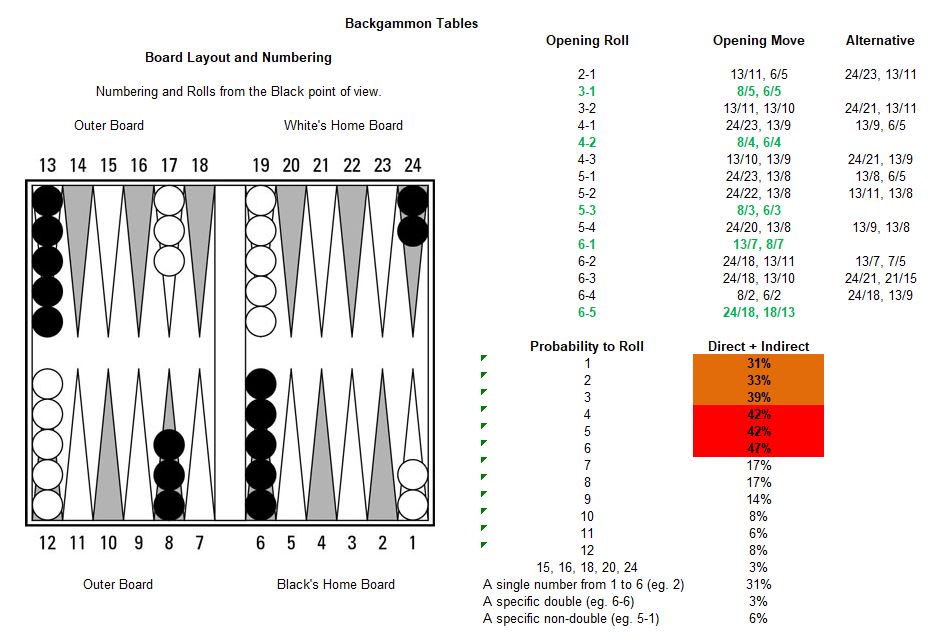
Backgammon rewards those who take calculated risks. One big hurdle many players face is their own mindset. Beginners often fall into the trap of playing “not to lose” by playing too safe. Experienced players often joke about the “smell of fear” when playing with novices. However, this defensive style of play rarely leads to a win. Winning requires a bold attitude, a clear but flexible plan, and the willingness to take a risk when the time is right. However, risk-taking isn’t just about being reckless. It’s about calculating probabilities, weighing the odds and trusting your judgment. Confidence comes from practice and understanding the numbers. Confidence also means sticking to your plan when the numbers add up, even when things get dicey. Discipline is a game-changer. Many games are lost because we get lazy or second-guess ourselves. It’s easy to hesitate or panic when faced with tough decisions. The secret? Remain focused, rely on the maths, and commit to your strategy.
Strategic play
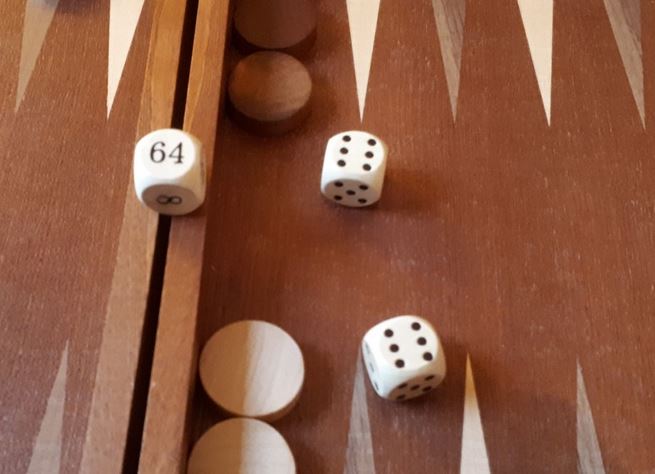
Every backgammon game revolves around strategy. This is your roadmap, the big picture plan guiding your moves. Your goal? To outwit your opponent and create situations where their options are limited. Different strategies come into play depending on how the game unfolds. Sometimes, it’s a race, and both of you are trying to bear off all your checkers as quickly as possible. Other times, you’ll focus on blocking and trapping your opponent’s checkers, forcing them to rely on lucky rolls to escape. Without a strategy, you’re wandering aimlessly through the game, hoping for the best. But when you have a clear game plan, every roll has purpose, and every move builds toward your goal. Knowing when to shift strategies based on the board’s dynamics is what separates seasoned players from beginners.
Tactical play
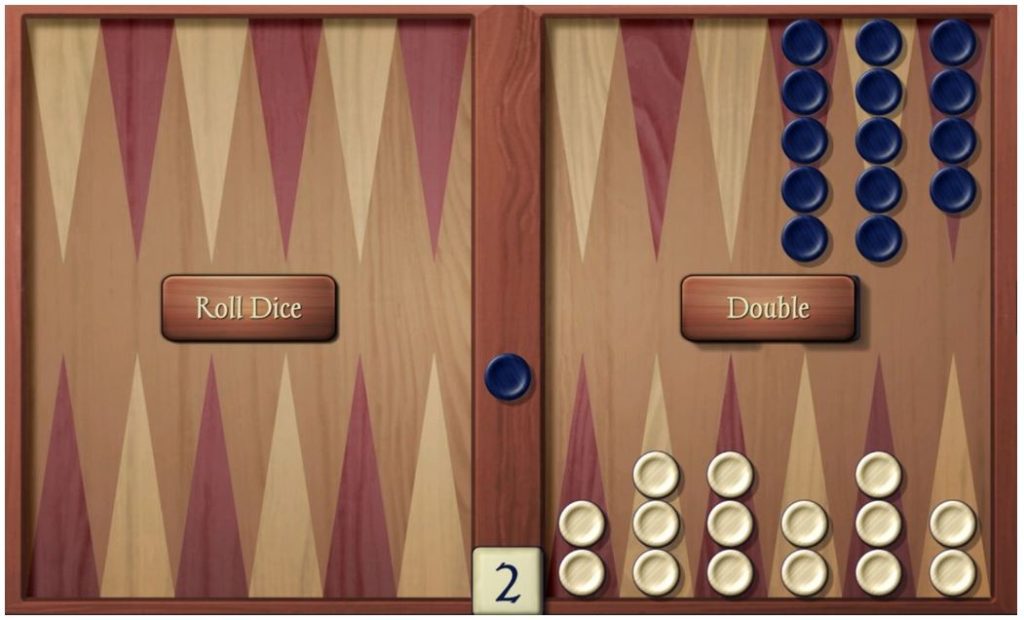
If strategy is the “what,” tactics are the “how.” They’re the essential details of executing your game plan. Think of it as setting traps, building blockades, and creating opportunities. For example, let’s say your strategy is to delay your opponent by trapping their checkers. Tactically, this means setting up primes (a series of consecutive occupied points) that are impossible to jump over without the perfect dice roll. Or maybe you’re racing to bear off your checkers? In which case, you’ll focus on maximising efficient moves to keep your momentum going. Tactics require flexibility. Your plans can change with a single roll, so you need to adapt on the fly. Being able to spot opportunities and act on them is a skill that grows with experience.
Putting it all together
Mastering backgammon is more than just rolling the dice and shuffling checkers around the board. It’s a blend of everything we have discussed above. You apply strategy, tactics, awareness, and the right mindset. Then each element plays a role, and the real magic happens when they all come together. You start by analysing the board and determining your position in the overall state of play. Then you will understand how the doubling cube can shift the stakes. Keep in mind that you don’t have to use the cube on every move. It’s simply an option. Next, you need to commit to a strategy that fits the situation and use tactical moves to bring the strategy into play. Finally, trust yourself, stay disciplined, and play to win.

Like anything worth mastering, backgammon takes practice and patience. However, once you’ve got the hang of it, it’s a game that rewards bold moves, sharp thinking, and a bit of daring. Are you ready to roll the dice and take on your next game?
Related content
Probability at Wikipedia.